Optimal Assessment for Water Heater Inefficiency
In today's era of rising energy costs and environmental awareness, maintaining a properly functioning water heater is more important than ever. Understanding the reasons behind water heater inefficiency is crucial for homeowners aiming to cut down utility expenses. Inefficiency in water heaters can be a silent yet significant drain on resources and finances. In this guide, we'll delve into the warning signs that could indicate your water heater is underperforming, explore potential causes of diminished efficiency, and offer practical solutions to address these issues.
Recognizing signs of an inefficient water heater is key to taking timely corrective measures. Common symptoms include inconsistent water temperatures and strange noises, such as popping or rumbling, which often signal sediment buildup inside the tank. Energy consumption patterns can also be a telling sign; a sudden increase in your energy bills might suggest your water heater is working harder due to inefficiency. A deeper understanding of these signs can lead to significant savings and a more controlled home environment.
Signs of a Failing Water Heater
Inconsistent water temperatures can ruin the comfort of a hot shower, indicating that your water heater might be on its last legs. Often, these fluctuations in temperature are a result of worn-out components such as heating elements or thermostats that no longer function effectively. Moreover, if your water heater is producing unusual noises, like banging or popping, it can be a cause for concern. Such sounds typically point to sediment accumulation that disrupts the normal heating process and reduces overall efficiency.
While telltale noises and temperature issues are immediate red flags, energy consumption patterns provide another layer of insight into your water heater's condition. If you've noticed your energy bills creeping higher without a corresponding increase in your energy use, your water heater might be the culprit. Older units or those with faulty parts demand more energy to deliver the same output, showcasing a marked decline in efficiency. Keeping track of your energy usage can thus be a proactive step in recognizing inefficiency early.
Causes of Inefficiency
The root causes of water heater inefficiency often stem from everyday usage and aging equipment. Sediment buildup is a frequent cause, forming a barrier between the water and the heat source, which forces the heater to work harder to reach desired temperatures. Components like anode rods and heating elements, when worn or faulty, worsen this situation by failing to adequately prevent deterioration or produce heat efficiently. As the equipment ages, its capacity to function efficiently diminishes, making routine check-ups vital.
Environmental factors also play a pivotal role in water heater performance. Water hardness, influenced by high mineral content, contributes significantly to sediment buildup, particularly in areas with naturally hard water. Additionally, local climate conditions—such as those experienced in Texas—can affect a water heater's efficiency by causing it to work overtime in colder months. Understanding these factors can help you make informed decisions about operating and maintaining your water heater for optimal efficiency.
Immediate Troubleshooting Solutions
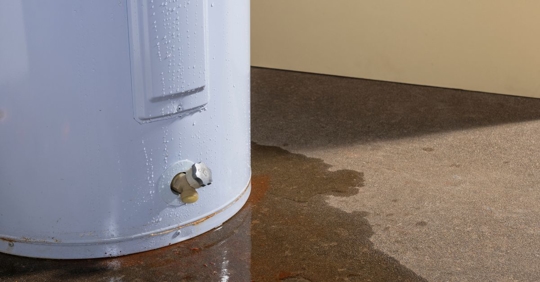
Sometimes, minor inefficiency issues can be resolved with straightforward DIY solutions that empower homeowners to take action independently. Routine inspections for signs of leaks or rust should be a standard part of your maintenance regimen. Emptying the tank to remove sediment buildup, checking valves, and looking for corrosion are practical DIY tasks. Additionally, adjusting the thermostat and insulating pipes can significantly improve efficiency by preventing heat loss, allowing your water heater to operate more effectively.
However, not all problems can be addressed with simple inspections; knowing when to call in professionals ensures that small issues do not escalate. If you encounter electrical issues, extensive corrosion, or suspect a more comprehensive fault, it's crucial to consult experts. Professional water heater maintenance and tune-ups help address these deeper problems with precision, safeguarding your investment and ensuring the longevity and efficiency of the unit.
Enhancing Water Heater Efficiency
For those keen on optimizing the performance of their existing water heater, upgrading parts and components offers a fruitful avenue. Replacing old, inefficient parts such as anode rods, thermostats, or even heat traps can breathe new life into an aging unit. Implementing energy-saving devices, like smart timers or insulation blankets, not only enhances efficiency but also contributes to long-term savings by minimizing heat loss during off-peak periods.
Incorporating technology into your water heater system can further elevate its efficiency. Smart technology, like Wi-Fi-enabled thermostats, allows users to monitor energy consumption remotely and make appropriate adjustments. This integration offers convenience and cost savings while enabling more environmentally friendly operation. Additionally, exploring advancements such as hybrid water heater technology can yield substantial efficiency improvements, bridging the gap between conventional systems and more sustainable solutions.
Determining Cost-Effectiveness
Repairing or replacing a water heater can represent a significant financial decision. Performing a cost-benefit analysis is essential to determine the potential savings. Calculating the costs associated with repairs or parts against the anticipated energy savings helps determine whether the investment justifies itself. Using online calculators or professional tools can provide a clearer picture of payback periods for various upgrades or replacements.
When evaluating replacement options, it's important to compare different types of water heaters available on the market today. Tankless and solar models, for instance, often provide higher efficiency ratings compared to traditional models. Choosing ENERGY STAR-rated models not only ensures superior efficiency but also leads to long-term energy savings, making them an attractive option for environmentally conscious homeowners in Nolanville, TX seeking sustainable solutions.
Preventative Measures for Sustained Efficiency
Regular maintenance routines are fundamental to sustaining optimal water heater performance, and creating a checklist can simplify this process. Tasks like flushing the tank, testing the pressure relief valve, and inspecting for leaks should top this list. Scheduling regular maintenance can prevent minor issues from developing into major problems, ensuring consistent efficiency and prolonging the lifespan of your water heater.
Incorporating best practices into daily routines also safeguards your water heater's longevity. Regulating water temperature, using a water softener to combat hard water effects, and installing a water filtration system are prudent steps to prevent future inefficiencies. Promoting energy-efficient practices in everyday water usage not only preserves your heater’s health but also aligns with a sustainable lifestyle.
Keep Your Water Heater Running with
Maintaining a water heater's efficiency involves a blend of proactive monitoring, timely interventions, and strategic upgrades. By recognizing inefficiencies early and applying the discussed solutions, homeowners can optimize performance and energy usage, ultimately reducing costs and environmental impact.
Should you require expert assistance or are considering an upgrade, Wayne Hyde Plumbing is poised to offer unmatched service and guidance tailored to your water heater needs. Don’t wait until your system fails; contact us today to ensure your water heater runs optimally for years to come.
Call Wayne Hyde Plumbing now at (254) 345-4466 or send us a message online.